
1388xx888xx


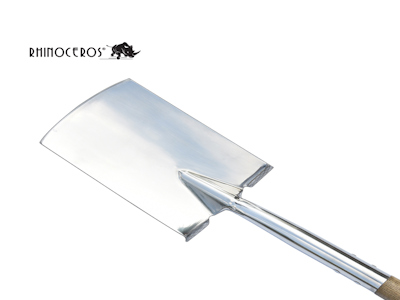
Садоводство – это искусство, требующее не только терпения и любви к природе, но и правильного инструментария. Среди множества инструментов, используемых садоводами, лопата для пересадки растений занимает особое место. Она не просто облегчает процесс перемещения растений, но и способствует их здоровому росту и развитию. В этой статье мы подробно рассмотрим, почему эта лопата необходима, ее типы, как выбрать подходящую модель, и дадим практические советы по использованию.
Садоводство – это увлекательное хобби и серьезное занятие, которое приносит радость и пользу. Однако без правильных инструментов даже самый опытный садовод может столкнуться с трудностями. Инструменты, такие как лопаты, секаторы, грабли, играют ключевую роль в уходе за растениями. Они не только экономят время и силы, но и обеспечивают точность и эффективность работы. Среди них лопата для пересадки растений выделяется своей специализацией – она предназначена для аккуратного извлечения и перемещения растений без повреждения корневой системы.
Использование неподходящего инструмента, например, обычной штыковой лопаты, может привести к травмированию корней, что негативно скажется на здоровье растения. Корневая система – это основа жизни растения, и любое ее повреждение может вызвать стресс, замедлить рост или даже привести к гибели. Поэтому инвестиция в качественную лопату для пересадки – это не просто покупка инструмента, а вклад в будущее вашего сада.
В современном садоводстве существует множество инноваций, но основы остаются неизменными: правильный инструмент – залог успеха. Лопата для пересадки растений, с ее узким лезвием и ergonomic ручкой, позволяет работать в тесных пространствах, таких как клумбы или горшки, обеспечивая минимальное вмешательство в почву и корни. Это особенно важно при пересадке многолетних растений, деревьев или кустарников, где каждая ошибка может иметь долгосрочные последствия.
Кроме того, использование специализированной лопаты способствует экономии ресурсов. Она уменьшает физическую нагрузку на садовода, делая процесс более комфортным и менее утомительным. Это важно для людей всех возрастов, особенно для пожилых или тех, у кого есть ограничения по здоровью. Таким образом, лопата для пересадки не только улучшает результаты садоводства, но и делает его более доступным и enjoyable.
В следующих разделах мы углубимся в детали: обсудим историю развития таких лопат, их различные типы, преимущества, и как интегрировать их в ваш садовый routine. Мы также рассмотрим common mistakes, которые допускают садоводы, и как их избежать с помощью правильного инструмента.
Лопата для пересадки растений – это специализированный инструмент, designed specifically for digging up and moving plants with minimal disturbance to the root system. Unlike a standard shovel, which has a broad blade for moving large amounts of soil, a transplanting shovel typically features a narrower, sharper blade that allows for precise cutting around roots. The blade is often made of high-quality steel to ensure durability and sharpness, and the handle is designed for comfort and control, reducing strain on the user's hands and back.
Key differences from a regular shovel include: the blade size – transplanting shovels are smaller, usually with a blade width of 10-15 cm, compared to 20-30 cm for a standard shovel; the shape – they may have a pointed tip for easier penetration into soil, especially around roots; and the handle – often shorter and with a D-grip or T-grip for better maneuverability. Some models even have serrated edges to cut through tough roots or soil.
This specialization makes the transplanting shovel ideal for tasks like moving perennials, dividing plants, or planting bulbs. It allows the gardener to create clean, neat holes without excessive digging, which helps preserve soil structure and reduce erosion. In contrast, a regular shovel might be too bulky and cause unnecessary soil disruption, leading to compaction or damage to adjacent plants.
Moreover, the weight and balance of a transplanting shovel are optimized for precision work. They are lighter than full-sized shovels, making them easier to handle for extended periods. This is crucial when working in dense plantings or containers, where space is limited. The ergonomic design reduces the risk of repetitive strain injuries, which is a common issue with improper tool use in gardening.
In summary, while a standard shovel is versatile for general digging, the transplanting shovel is a focused tool that enhances efficiency and care in plant handling. Its design reflects an understanding of plant biology and gardener needs, making it an indispensable part of any serious gardener's toolkit.
Использование лопаты для пересадки растений предлагает множество преимуществ, которые directly contribute to the health and vitality of your garden. First and foremost, it minimizes root damage. The sharp, narrow blade allows for clean cuts around the root ball, reducing trauma to the plant. This is critical because damaged roots can lead to transplant shock, a condition where the plant struggles to establish itself in its new location, resulting in wilting, slowed growth, or death.
By preserving the root system, the plant can quickly adapt to its new environment, absorbing water and nutrients more efficiently. This leads to faster recovery and stronger growth over time. Studies have shown that plants transplanted with specialized tools have higher survival rates compared to those moved with crude instruments.
Another advantage is improved soil health. The precise digging action of a transplanting shovel disturbs less soil, which helps maintain soil structure and microbiology. Soil is a living ecosystem with beneficial organisms like earthworms and microbes; excessive digging can disrupt this balance, leading to compaction or loss of fertility. With a transplanting shovel, you target only the area needed, promoting a healthier soil environment for all plants.
Efficiency and time savings are also significant benefits. The tool's design allows for quicker and easier digging, especially in tight spaces. For example, when dividing overgrown perennials, a transplanting shovel enables you to make clean cuts without having to remove large amounts of soil. This reduces the overall time spent on the task and makes gardening more enjoyable.
Additionally, ergonomic benefits cannot be overlooked. The comfortable handle and balanced weight reduce physical strain, preventing back pain and fatigue. This is particularly important for gardeners who spend long hours working outdoors. Investing in a good transplanting shovel can make gardening a more sustainable and pleasurable activity, encouraging consistent care for your plants.
Lastly, using the right tool demonstrates a commitment to quality gardening practices. It shows that you value your plants' well-being and are willing to invest in tools that support their health. This proactive approach can lead to a more beautiful and productive garden, with lush growth and abundant blooms.
Существует несколько типов лопат для пересадки растений, каждый designed for specific tasks and conditions. Understanding these variations can help you choose the right tool for your needs.
First, the standard transplanting shovel: this has a narrow, pointed blade and is ideal for general transplanting work. It's versatile and can be used for most plants, from small annuals to larger shrubs. The blade is typically made of carbon steel or stainless steel for durability and rust resistance.
Second, the nursery spade: similar to a transplanting shovel but often with a longer handle and a slightly wider blade. It's commonly used in commercial nurseries for moving larger plants and trees. The extended handle provides more leverage, making it easier to dig deep without bending over excessively.
Third, the hand trowel: while not a shovel per se, it's a small handheld tool used for transplanting seedlings or small plants. It's perfect for container gardening or working in raised beds where precision is key. Hand trowels are lightweight and easy to maneuver, making them great for detailed work.
Fourth, the root ball shovel: this type has a rounded or U-shaped blade designed specifically for digging up plants with intact root balls, such as trees or large perennials. It helps to preserve the root structure during extraction, which is essential for successful transplantation.
Fifth, serrated-edge shovels: these have teeth on the blade edge, which are useful for cutting through tough roots or compacted soil. They are excellent for dealing with established plants that have developed a dense root system.
Each type has its application. For example, use a standard transplanting shovel for everyday garden tasks, a nursery spade for larger projects, and a hand trowel for delicate work. Consider the size of your plants, the soil type, and your physical capabilities when selecting a tool. Investing in multiple types can cover all your gardening needs, ensuring you have the right tool for every job.
Additionally, some modern variations include ergonomic handles with non-slip grips, or blades coated with non-stick materials to prevent soil adhesion. These features enhance usability and longevity, making your gardening experience more efficient and comfortable.
Выбор правильной лопаты для пересадки растений зависит от нескольких факторов, включая тип растений, которые вы пересаживаете, условия почвы и ваши личные предпочтения. Вот ключевые аспекты, которые следует учитывать.
First, blade material: opt for high-quality steel, such as carbon steel or stainless steel. Carbon steel is strong and holds an edge well but may rust if not properly maintained. Stainless steel is rust-resistant and easier to clean, ideal for humid environments. Avoid cheap materials that can bend or break easily.
Second, blade size and shape: for most home gardens, a blade width of 10-15 cm is sufficient. A pointed tip helps with penetration, while a flat edge is good for slicing through roots. Consider the depth you need to dig; some shovels have longer blades for deeper plants.
Third, handle design: look for an ergonomic handle that reduces strain. D-grip or T-grip handles provide better control and comfort. The handle material should be durable, such as wood, fiberglass, or metal. Wood is traditional and comfortable but may warp over time; fiberglass is lightweight and resistant to weather; metal is strong but can be heavy.
Fourth, weight and balance: a well-balanced shovel feels light in the hand and reduces fatigue. Test the shovel before buying if possible, to ensure it feels comfortable for you. Lighter models are easier to handle for extended periods.
Fifth, additional features: some shovels have depth markers on the blade to help with planting at the correct depth. Others have non-slip grips or shock-absorbing features to enhance comfort. Serrated edges can be useful for tough jobs.
Sixth, consider your specific needs: if you work mostly with small plants, a hand trowel might be better. For larger tasks, a full-sized transplanting shovel is necessary. Read reviews and seek recommendations from other gardeners to find reliable brands.
Finally, budget: while it's tempting to go for the cheapest option, investing in a quality shovel pays off in the long run through durability and better performance. A good shovel can last for years with proper care, making it a worthwhile investment for any serious gardener.
By taking the time to choose the right tool, you'll make your gardening tasks easier and more effective, leading to healthier plants and a more enjoyable experience.
Чтобы maximize the benefits of your transplanting shovel, follow these practical tips for effective use.
First, prepare the plant and soil before digging. Water the plant thoroughly a day before transplanting to hydrate the roots and make the soil easier to work with. This reduces stress on the plant and helps the root ball hold together.
Second, choose the right time for transplanting. Early spring or fall is ideal, as cooler temperatures and higher moisture levels reduce transplant shock. Avoid hot, sunny days when plants are more vulnerable.
Third, use the shovel correctly. Insert the blade vertically into the soil around the plant, keeping a distance of about 10-15 cm from the stem to avoid cutting roots. Push down firmly and rock the shovel slightly to loosen the soil. For larger plants, make multiple cuts around the root ball before lifting.
Fourth, lift the plant carefully. Once the root ball is loose, slide the shovel under it and lift gently. Support the plant with your hands to prevent it from falling apart. If the root ball is large, use a second person or a tarp to assist.
Fifth, replant immediately. Have the new hole prepared beforehand, with amended soil if necessary. Place the plant at the same depth it was growing previously, and backfill with soil, firming it gently around the roots. Water thoroughly after planting to settle the soil and eliminate air pockets.
Sixth, maintain your shovel. Clean it after each use to prevent rust and keep the blade sharp. A sharp blade makes digging easier and causes less damage to roots. Store it in a dry place to prolong its life.
Seventh, practice on less valuable plants first to build confidence. Transplanting can be intimidating, but with experience, you'll become more proficient and reduce the risk of mistakes.
By following these tips, you'll ensure successful transplants and healthy plants. Remember, patience and care are key – rushing the process can lead to problems down the line.
Многие садоводы допускают common mistakes when transplanting plants, which can be avoided with the right knowledge and tools.
First, digging too close to the stem: this can sever important roots and cause significant damage. Always keep a safe distance when using the shovel, and aim to preserve as much of the root system as possible.
Second, not watering before transplanting: dry roots are more brittle and prone to breakage. Water the plant well in advance to make the soil pliable and the roots flexible.
Third, transplanting at the wrong time: avoid extreme weather conditions. High heat or frost can increase stress on the plant. Choose mild, overcast days for best results.
Fourth, rough handling: lifting the plant by the stems or shaking it too much can damage roots and leaves. Handle with care, supporting the root ball throughout the process.
Fifth, improper hole preparation: the new hole should be wide enough to accommodate the root ball without crowding. Amend the soil with compost if needed to provide nutrients and improve drainage.
Sixth, planting too deep or too shallow: this can affect root growth and plant stability. Ensure the plant is at the same depth as it was originally.
Seventh, neglecting aftercare: after transplanting, plants need extra water and protection from sun and wind. Mulch around the base to retain moisture and reduce weeds.
By using a transplanting shovel and following best practices, you can avoid these errors. The precise tool helps you make clean cuts and minimize disturbance, leading to higher success rates. Educate yourself on the specific needs of each plant type, as some may require special techniques.
Remember, transplantation is a stressful event for plants, but with careful execution, they can thrive in their new location. Monitor them closely in the weeks following transplanting for signs of stress, such as wilting, and take corrective action if needed.
Proper maintenance of your transplanting shovel is essential to ensure its longevity and optimal performance. A well-cared-for tool will serve you for many seasons, making your gardening efforts more efficient.
First, clean the shovel after each use. Remove any soil or debris with a brush or hose. This prevents rust and keeps the blade sharp. If the shovel gets wet, dry it thoroughly before storage to avoid corrosion.
Second, sharpen the blade regularly. A sharp blade cuts through soil and roots more easily, reducing effort and plant damage. Use a file or sharpening stone to maintain the edge. For safety, wear gloves and work in a stable position.
Third, inspect the handle for damage. Cracks or splinters can make the shovel unsafe to use. Sand down rough spots or replace the handle if necessary. If the handle is wooden, treat it with linseed oil to protect it from moisture and extend its life.
Fourth, store the shovel properly. Hang it on a wall or place it in a dry, covered area to avoid exposure to elements. Avoid leaving it outside where it can rust or deteriorate.
Fifth, lubricate moving parts if your shovel has them, such as hinge points on folding models. Use a light oil to keep things smooth.
Sixth, avoid using the shovel for tasks it's not designed for, like prying rocks or breaking hard ground. This can bend or break the blade. Use appropriate tools for those jobs to preserve your transplanting shovel.
By following these simple steps, you'll keep your tool in top condition. Regular maintenance not only prolongs the life of the shovel but also ensures that it performs well when you need it most. A well-maintained tool is a joy to use and reflects a professional approach to gardening.
Investing time in care pays off in the long run, saving you money on replacements and making your gardening experience more pleasant. Treat your tools with respect, and they will reward you with reliable service.
В заключение, лопата для пересадки растений – это indispensable tool for any gardener who values plant health and efficiency. Its specialized design minimizes root damage, improves soil health, and makes transplanting tasks easier and more enjoyable. By choosing the right type, using it correctly, and maintaining it well, you can enhance your gardening success and create a thriving garden.
Investing in a quality transplanting shovel is an investment in your garden's future. It demonstrates a commitment to best practices and can lead to healthier, more beautiful plants. Whether you're a beginner or an experienced gardener, this tool will prove its worth time and again.
Remember, gardening is a journey of learning and growth. With the right tools and knowledge, you can overcome challenges and enjoy the rewards of your labor. So, equip yourself with a good transplanting shovel and watch your garden flourish.
Thank you for reading, and happy gardening!