
1388xx888xx


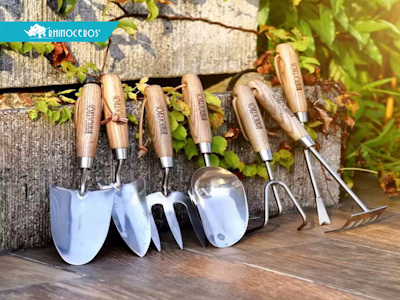
Сад – это не просто участок земли с растениями; это живое пространство, которое требует заботы, внимания и, прежде всего, правильного удобрения. Если вы хотите, чтобы ваш сад стал настоящим произведением искусства, приносящим обильные урожаи и радующим глаз, вам необходимо познакомиться с уникальными инструментами для удобрения. В этой статье мы подробно рассмотрим инновационные методы, которые кардинально изменят ваш подход к садоводству. От выбора правильных удобрений до использования специализированного оборудования – все это поможет вам создать сад вашей мечты. Начнем с основ и постепенно углубимся в детали, чтобы вы могли применять эти знания на практике.
Удобрение – это ключевой элемент в уходе за садом. Оно обеспечивает растения необходимыми питательными веществами, такими как азот, фосфор и калий, которые способствуют здоровому росту, цветению и плодоношению. Без должного удобрения почва быстро истощается, что приводит к слабым растениям, низким урожаям и даже болезням. Но не все удобрения одинаковы. Современные инструменты и методы позволяют подходить к этому процессу более эффективно и экологично. Например, использование органических удобрений, таких как компост или навоз, не только питает растения, но и улучшает структуру почвы, делая ее более плодородной в долгосрочной перспективе. Кроме того, инновационные инструменты, такие как автоматические разбрасыватели или системы капельного полива с удобрениями, экономят время и усилия, позволяя вам сосредоточиться на других аспектах садоводства.
В мире садоводства существует множество мифов и заблуждений относительно удобрений. Некоторые считают, что чем больше удобрений, тем лучше, но это не так. Переудобрение может навредить растениям, вызвав ожоги корней или нарушив баланс питательных веществ в почве. Поэтому важно использовать правильные инструменты для измерения и применения удобрений. Например, pH-метры и почвенные тестеры помогают определить точные потребности вашего сада, позволяя вам вносить удобрения дозированно и своевременно. Это не только улучшает результаты, но и снижает негативное воздействие на окружающую среду.
Еще один аспект – сезонность. Удобрение нужно вносить в определенные периоды, чтобы максимизировать его эффективность. Весной, когда растения начинают активно расти, им требуется больше азота для развития листвы. Летом акцент смещается на фосфор и калий для поддержания цветения и плодоношения. Осенью удобрения помогают растениям подготовиться к зиме, укрепляя корневую систему. Зимой же большинство растений находятся в состоянии покоя, и удобрение не требуется. Специализированные инструменты, такие как календари удобрений или мобильные приложения, могут напоминать вам о лучших времени для внесения тех или иных веществ, делая процесс более организованным.
Но что делает инструменты для удобрения уникальными? Это их способность адаптироваться к конкретным условиям вашего сада. Например, если у вас небольшой сад на балконе, вам могут пригодиться компактные контейнеры для компоста или мини-разбрасыватели. Для больших участков идеально подходят механизированные инструменты, такие как культиваторы с функцией внесения удобрений. Кроме того, современные технологии, включая дроны для распыления удобрений или умные датчики почвы, открывают новые горизонты для садоводов, позволяя добиться невероятных результатов с минимальными усилиями.
Прежде чем перейти к инструментам, важно понимать, какие типы удобрений существуют и как их правильно использовать. Удобрения делятся на несколько категорий: органические, минеральные, жидкие и гранулированные. Органические удобрения, такие как компост, навоз или торф, производятся из natural materials и улучшают почву постепенно, высвобождая nutrients over time. Они экологичны и безопасны для окружающей среды, но могут требовать больше времени для действия. Минеральные удобрения, напротив, синтезируются химически и содержат концентрированные nutrients, которые быстро усваиваются растениями. Однако они могут lead to soil degradation if overused.
Жидкие удобрения удобны для быстрого внесения through watering systems, в то время как гранулированные更适合 для равномерного distribution on soil surface. Выбор зависит от ваших целей: если вам нужно быстро подкормить растения, используйте жидкие формы; для долгосрочного улучшения почвы prefer органические options. Инструменты для работы с этими удобрениями также vary. Для органических удобрений useful компостеры или вилы для turning compost, а для минеральных – разбрасыватели или sprayers.
Важно также учитывать specific needs растений. Например, овощные культуры often require high levels of nitrogen, в то время как цветущие plants need more phosphorus. Использование инструментов like soil test kits помогает tailor удобрение to these needs, avoiding waste and potential harm. Кроме того, consider использование slow-release fertilizers, которые постепенно release nutrients, reducing the frequency of application and making garden maintenance easier.
Another innovative approach is the use of bio-fertilizers, which contain beneficial microorganisms that enhance soil health. These can be applied using specialized sprayers or inoculators, and they promote natural processes like nitrogen fixation. Tools for bio-fertilizers often include sterile containers and applicators to ensure the microbes remain viable. This method is particularly useful for organic gardening, as it reduces reliance on chemical inputs and supports sustainable practices.
In addition to types, the method of application is crucial. Surface application is common for granular fertilizers, while incorporation into the soil is better for organic matter. Tools like rakes or tillers help mix fertilizers evenly, preventing nutrient hotspots that could damage plants. For liquid fertilizers, drip irrigation systems or foliar sprayers ensure precise delivery directly to plant roots or leaves, maximizing absorption and minimizing runoff.
To make the most of fertilizers, it's essential to monitor soil conditions regularly. Tools such as moisture meters, nutrient sensors, and even smartphone apps that analyze soil samples can provide real-time data, allowing you to adjust your fertilization strategy on the fly. This proactive approach not only improves plant health but also conserves resources by applying only what is needed.
Теперь давайте dive into the unique tools that can revolutionize your garden fertilization. These tools are designed to make the process more efficient, precise, and enjoyable. From traditional hand tools to high-tech gadgets, there's something for every gardener.
First, consider compost tumblers. These are rotating containers that accelerate the composting process by aerating the material, turning kitchen scraps and yard waste into rich organic fertilizer in weeks instead of months. They are easy to use and reduce odors, making them ideal for urban gardens. Pair them with a compost thermometer to monitor temperature and ensure optimal conditions for decomposition.
Next, fertilizer spreaders are a must-have for large gardens. Broadcast spreaders distribute granular fertilizers evenly over a wide area, while drop spreaders offer more precision for targeted application. Modern spreaders come with adjustable settings for different fertilizer types and spreading rates, and some are even GPS-enabled for automated coverage in large fields. For smaller spaces, hand-held spreaders or shaker cans work well.
Liquid fertilizer tools include backpack sprayers and drip irrigation systems. Backpack sprayers allow you to apply liquid fertilizers directly to plants, with adjustable nozzles for fine mist or stream. Drip irrigation systems, integrated with fertilizer injectors, deliver nutrients directly to the root zone, reducing waste and water usage. These systems can be automated with timers, ensuring consistent feeding without manual effort.
Soil testing kits are another essential tool. They range from simple pH test strips to advanced electronic meters that measure multiple parameters like nitrogen, phosphorus, and potassium levels. Using these kits before fertilizing helps you avoid guesswork and apply the right amount of nutrients. Some kits connect to apps that provide personalized recommendations based on your soil data.
For those interested in technology, smart garden sensors are game-changers. These devices monitor soil moisture, temperature, and light levels, sending alerts to your phone when it's time to fertilize or water. They can be integrated with automated systems to trigger fertilization based on real-time conditions, optimizing plant growth and conserving resources.
Don't forget about manual tools like garden forks and hoes. While they may seem basic, they are invaluable for incorporating organic matter into the soil or breaking up clumps before fertilizing. Ergonomic designs reduce strain on your back and hands, making gardening more comfortable.
Lastly, consider innovative options like drone-based fertilizer applicators. Though more common in agriculture, they are becoming accessible for large home gardens. Drones can cover large areas quickly and precisely, applying fertilizers evenly from above. This is especially useful for hard-to-reach spots or when time is limited.
When choosing tools, factor in your garden size, budget, and personal preferences. Start with basics like a good spreader and test kit, then gradually incorporate technology as needed. Remember, the goal is to make fertilization effortless and effective, so invest in tools that suit your lifestyle.
Having the right tools is only half the battle; knowing how to use them properly is key to transforming your garden. Here are some practical tips to get the most out of your fertilization tools.
First, always calibrate your spreader or sprayer before use. Follow the manufacturer's instructions to set the correct application rate for your fertilizer type. This prevents over- or under-application, which can harm plants or waste resources. For example, if using a broadcast spreader, walk at a steady pace and overlap passes slightly to ensure even coverage.
When using compost tumblers, maintain a balance of green materials (like vegetable scraps) and brown materials (like leaves) to accelerate decomposition. Turn the tumbler regularly to aerate the compost, and keep it moist but not soggy. Within a few weeks, you'll have rich compost ready to use as a top dressing or soil amendment.
For soil testing, collect samples from multiple areas of your garden to get an average reading. Test at least once a season, preferably in spring before fertilizing. Based on the results, adjust your fertilizer choice and amount. If pH is too high or low, use lime or sulfur to correct it before adding nutrients.
With liquid fertilizer tools, mix concentrates according to label directions to avoid burning plants. Apply during cool parts of the day, such as early morning or evening, to reduce evaporation and maximize absorption. For drip systems, flush the lines occasionally to prevent clogging from fertilizer residues.
Smart sensors require initial setup, such as placing them in representative soil areas and connecting to your Wi-Fi. Regularly check battery levels and calibrate sensors as needed. Use the data to create a fertilization schedule that aligns with plant growth stages—for instance, increasing nitrogen during vegetative growth and switching to phosphorus during flowering.
Safety is paramount when using tools. Wear gloves and eye protection when handling fertilizers, especially chemicals. Store tools and fertilizers in a dry, secure place away from children and pets. Clean tools after use to prevent corrosion and ensure longevity.
Finally, keep a garden journal to track your fertilization practices. Note what tools you used, when you applied fertilizers, and the results. This helps you refine your approach over time and learn what works best for your specific garden conditions.
By mastering these techniques, you'll not only improve your garden's health but also enjoy the process more. Fertilization becomes a thoughtful, data-driven activity rather than a chore.
В заключение, уникальные инструменты для удобрения сада предлагают невероятные возможности для превращения вашего сада в процветающий оазис. От базовых инструментов, таких как компостеры и разбрасыватели, до передовых технологий, like smart sensors and drones, these tools empower you to fertilize with precision and efficiency. By understanding the types of fertilizers and how to apply them correctly, you can avoid common pitfalls and achieve stunning results.
Remember, the key to a beautiful garden lies in continuous learning and adaptation. Start small, experiment with different tools, and observe how your plants respond. Over time, you'll develop a personalized fertilization strategy that maximizes growth, yield, and aesthetic appeal. Whether you're a novice gardener or an experienced enthusiast, these tools can save you time, reduce effort, and enhance your connection to nature.
Invest in quality tools that match your needs, and don't hesitate to seek advice from local gardening communities or experts. With the right approach, your garden will not only be transformed but will also become a source of pride and joy. Happy gardening, and may your unique tools lead you to a bountiful and beautiful sanctuary!
This article has covered a comprehensive range of topics, but there's always more to explore. Consider attending workshops or reading further on specific fertilization techniques to deepen your knowledge. The journey to a perfect garden is ongoing, but with these tools, you're well-equipped to succeed.