
1388xx888xx


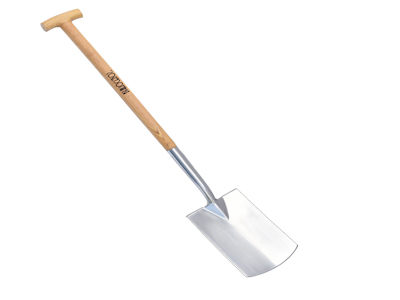
Вы когда-нибудь задумывались, почему некоторые фермы производят обильные урожаи год за годом, в то время как другие борются с низкой продуктивностью и деградацией земли? Секрет часто кроется не только в семенах или климате, но и в том, как мы обрабатываем и улучшаем почву. Почва — это живой организм, основа всего сельского хозяйства и экосистемы. Без здоровой почвы наша продовольственная безопасность находится под угрозой, а экологический баланс нарушается. Но что делает почву здоровой? И как мы можем использовать инструменты для её улучшения, чтобы обеспечить устойчивое будущее? В этой статье мы погрузимся в мир почвоведения, исследуя различные методы и технологии, которые помогают превратить бедную землю в плодородный оазис. От древних практик до современных инноваций — мы ответим на эти вопросы, подчеркивая важность инвестиций в инструменты для улучшения почвы.
Почва — это не просто грязь под нашими ногами; это сложная экосистема, состоящая из минералов, органического вещества, воды, воздуха и бесчисленных микроорганизмов. Она обеспечивает растения питательными веществами, поддерживает корневые системы и играет ключевую роль в круговороте воды и углерода. Однако человеческая деятельность, такая как интенсивное земледелие, вырубка лесов и использование химикатов, приводит к деградации почвы. Эрозия, засоление, потеря органического вещества и загрязнение — все это снижает плодородие почвы. Например, по данным ФАО, около 33% мировых почв уже деградировали, что угрожает global food security. Почему это происходит? Часто из-за отсутствия надлежащих инструментов и методов для поддержания здоровья почвы. Без вмешательства эта тенденция будет только ухудшаться, приводя к снижению урожайности, увеличению costs на inputs like fertilizers, и экологическим катастрофам, таким как desertification.
С древних времен люди понимали важность ухода за почвой. В Mesopotamia и Древнем Египте farmers использовали ирригацию и севооборот для поддержания плодородия. В средние века в Европе внедрение трехпольной системы позволило восстанавливать nutrients в почве. Однако промышленная революция принесла химические удобрения, которые, хотя и повысили урожайность в краткосрочной перспективе, often lead to long-term soil degradation. Сегодня мы возвращаемся к более holistic подходам, combining traditional wisdom with modern science. Инструменты для улучшения почвы эволюционировали от simple plows до advanced sensors and bio-fertilizers, reflecting our growing understanding of soil ecology. Этот historical journey показывает, что investment in soil improvement is not new—it's a continuous necessity for survival and prosperity.
Инструменты для улучшения почвы encompass a wide range of methods and technologies. Они могут быть physical, chemical, or biological. Physical tools include plows, tillers, and aerators, которые помогают loosen compacted soil, improve aeration, and incorporate organic matter. Chemical tools involve fertilizers, lime, and amendments to adjust pH and nutrient levels. Biological tools are perhaps the most exciting, leveraging microorganisms, compost, and cover crops to enhance soil health naturally. Additionally, technological tools like soil sensors, drones, and GIS mapping allow for precision agriculture, minimizing waste and maximizing efficiency. Каждый из этих инструментов plays a vital role in addressing specific soil issues. Например, compacted soil can benefit from aeration tools, while nutrient-deficient soil may require organic amendments. By using a combination of these tools, farmers can create a tailored approach to soil management, ensuring long-term sustainability.
Органические удобрения, такие как навоз, compost, and green manure, являются одними из самых effective tools for soil improvement. Они not only provide essential nutrients like nitrogen, phosphorus, and potassium but also improve soil structure, water retention, and microbial activity. Компостирование, process of decomposing organic waste, transforms kitchen scraps, yard waste, and agricultural residues into rich humus. This humus acts as a sponge, holding moisture and nutrients, and suppressing diseases. Studies show that soils amended with compost have higher yields and reduced need for synthetic inputs. Почему это важно? Because it closes the nutrient loop, reducing waste and emissions. For instance, composting diverts organic waste from landfills, where it would produce methane—a potent greenhouse gas. By adopting these tools, we can move towards a circular economy in agriculture, where nothing is wasted, and everything nourishes the soil.
Химические удобрения, такие как NPK (nitrogen, phosphorus, potassium) blends, have revolutionized agriculture by providing quick, concentrated nutrients to crops. Они responsible for the Green Revolution, which fed billions of people. Однако их overuse can lead to soil acidification, nutrient imbalances, and water pollution through runoff. Например, excess nitrogen can cause eutrophication in waterways, harming aquatic life. Поэтому важно использовать chemical fertilizers as part of a balanced approach, complementing them with organic methods. Tools like soil testing kits help farmers apply fertilizers precisely, avoiding waste and environmental damage. Why are they still relevant? Because in some contexts, they are necessary to meet immediate food demands. But the key is to use them wisely, integrating with other tools to minimize negative impacts and promote soil health in the long run.
Биологические инструменты harness the power of nature to improve soil. Микроорганизмы, такие как bacteria and fungi, form symbiotic relationships with plants, fixing nitrogen, decomposing organic matter, and suppressing pathogens. Products like bio-fertilizers and mycorrhizal inoculants introduce beneficial microbes to the soil. Покровные культуры, such as clover or rye, planted between main crops, prevent erosion, add organic matter, and fix nitrogen. Они also improve biodiversity and reduce weed pressure. Почему эти методы gaining popularity? Because they are sustainable, cost-effective, and enhance resilience to climate change. For example, during droughts, soils with good organic matter content retain more water, supporting crops better. By investing in biological tools, farmers can reduce reliance on external inputs and build self-sustaining agricultural systems.
Современные технологии offer unprecedented tools for soil improvement. Точное земледелие uses GPS, sensors, and data analytics to monitor soil conditions in real-time. Sensors measure moisture, pH, nutrient levels, and temperature, allowing for variable rate application of inputs—applying water, fertilizers, and pesticides only where needed. Drones and satellites provide aerial imagery to assess crop health and soil variability. Эти инструменты not only increase efficiency but also reduce environmental impact. Например, by applying less fertilizer, we minimize runoff and save resources. Why is this the future? Because as population grows and climate changes, we need smarter ways to farm. Technological tools empower farmers to make data-driven decisions, optimizing soil health and productivity while conserving natural resources.
Улучшение почвы приносит numerous benefits beyond higher yields. Экологически, healthy soils sequester carbon, mitigating climate change. Они also filter water, reduce flooding, and support biodiversity. Экономически, investing in soil tools can lead to cost savings over time. For instance, reducing fertilizer use lowers expenses, while improved soil health decreases need for pesticides and irrigation. Additionally, fertile soils can increase land value and provide resilience against market fluctuations. Почему governments and organizations promote soil improvement? Because it aligns with global goals like the UN Sustainable Development Goals, ensuring food security, poverty reduction, and environmental sustainability. By prioritizing soil health, we invest in a prosperous future for all.
Несмотря на преимущества, внедрение инструментов улучшения почвы сталкивается с challenges. Cost is a major barrier; advanced technologies like sensors can be expensive for small-scale farmers. Knowledge gaps also exist; many farmers may not understand how to use biological or technological tools effectively. Additionally, cultural practices and resistance to change can hinder adoption. Например, in some regions, traditional methods are deeply ingrained, and shifting to new approaches takes time. Почему эти barriers matter? Because if not addressed, they can slow progress towards sustainable agriculture. Solutions include education programs, subsidies for tools, and demonstration farms to show tangible benefits. Collaboration between governments, NGOs, and private sector is essential to overcome these hurdles and make soil improvement accessible to all.
Будущее улучшения почвы looks promising with emerging trends. Regenerative agriculture, which focuses on rebuilding soil organic matter and biodiversity, is gaining traction. Новые инструменты, такие as nano-fertilizers and genetically engineered microbes, offer potential for even greater efficiency. Climate-smart practices, like agroforestry and conservation tillage, integrate soil health with adaptation to climate change. Почему это exciting? Because it represents a shift towards holistic management that benefits both people and planet. As technology advances, tools will become more affordable and user-friendly, enabling widespread adoption. By continuing to innovate and invest in soil improvement, we can ensure that future generations inherit fertile, resilient land capable of feeding the world sustainably.
В заключение, инструменты для улучшения почвы не просто важны—они незаменимы для нашего выживания и процветания. От органических методов до технологических прорывов, эти инструменты предлагают solutions to some of the world's most pressing challenges, including food insecurity, climate change, and environmental degradation. Почему мы должны act now? Because the health of our soil directly impacts the health of our planet and its inhabitants. By adopting and promoting these tools, we can transform agriculture into a force for good. Whether you are a farmer, policymaker, or consumer, you have a role to play. Support sustainable practices, invest in soil health, and spread awareness. Together, we can cultivate a future where every patch of soil teems with life and potential. Спасибо за чтение, и давайте начнем улучшать почву сегодня!
Эта статья aims to answer the question of why soil improvement tools are crucial, providing a comprehensive overview that inspires action. Remember, healthy soil is the foundation of life—let's nurture it with the right tools.