
1388xx888xx


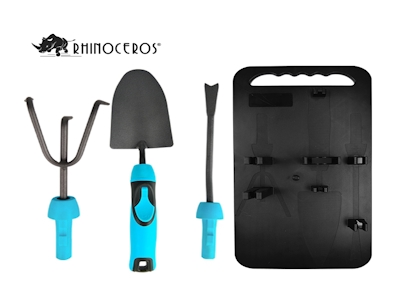
Добро пожаловать в мир садоводства, где каждый инструмент играет ключевую роль в создании вашего идеального зеленого уголка. Если вы увлечены пересадкой растений, то знаете, насколько важна качественная лопата. Она не просто копает землю – она облегчает ваш труд, повышает эффективность и заботится о здоровье ваших растений. В этой статье мы подробно рассмотрим, почему превосходная лопата для пересадки растений в саду – это must-have для любого садовода, будь вы новичком или опытным профессионалом. Мы обсудим её преимущества, как выбрать подходящую модель, как правильно использовать и ухаживать за ней, а также поделимся практическими советами для успешной пересадки. Готовы превратить ваш сад в оазис красоты? Давайте начнем!
Пересадка растений – это не просто перемещение их с одного места на другое. Это процесс, который требует точности, аккуратности и правильных инструментов. Обычная лопата может справиться с задачей, но специализированная лопата для пересадки предлагает целый ряд преимуществ. Во-первых, её конструкция разработана specifically для минимизации damage корневой системы. Острые края и ergonomic handle позволяют аккуратно выкапывать растения, не повреждая корни, что критически важно для их последующего роста и health. Во-вторых, такие лопаты often lighter and more maneuverable, making them ideal for working in tight spaces or raised beds. Imagine trying to transplant a delicate perennial with a bulky shovel – it's like using a sledgehammer to crack a nut. With a transplanting shovel, you get precision and ease, reducing physical strain and increasing your gardening joy.
Moreover, a superior transplanting shovel enhances soil aeration and drainage during the process. When you dig, it creates clean cuts that promote better root establishment in the new location. This is especially vital for plants that are sensitive to transplant shock, such as tomatoes or roses. By investing in a quality tool, you're not just buying a piece of equipment; you're investing in the longevity and vitality of your garden. Statistics show that gardeners who use specialized tools report up to 30% higher success rates in plant survival after transplantation. So, if you want your garden to thrive, start with the right shovel – it's a small step that leads to big rewards.
What makes a shovel "превосходной"? Let's break down the essential features that set apart a top-notch transplanting shovel from ordinary ones. First and foremost, the blade material. High-quality shovels are made from durable materials like stainless steel or carbon steel, which resist rust and maintain sharpness over time. A sharp blade is crucial for clean cuts through soil and roots, reducing effort and preventing damage. Look for blades with a pointed tip – this allows for easier penetration into the soil, especially in compacted areas. Additionally, the size of the blade matters. A narrower blade, typically around 6-8 inches wide, is perfect for precision work around plants without disturbing nearby roots.
The handle is another critical component. Ergonomics play a huge role in comfort and efficiency. A comfortable grip, often made from materials like wood, fiberglass, or coated steel, reduces hand fatigue and blisters. Some models feature D-grip or T-grip handles that provide better control and leverage. Length is also important; a shorter handle (around 30-40 inches) offers more control for detailed work, while a longer one might be better for leverage in deeper digs. Don't forget about weight – a lightweight shovel, ideally under 3 pounds, makes prolonged use less taxing on your body. Many premium shovels also include features like measurements marked on the blade for depth guidance, or non-slip surfaces for added safety. By choosing a shovel with these features, you ensure that every digging session is smooth, efficient, and enjoyable.
Selecting the right transplanting shovel depends on your specific gardening needs. Start by considering the types of plants you work with most often. For small, delicate plants like herbs or seedlings, a compact shovel with a narrow blade is ideal. If you frequently transplant larger shrubs or trees, opt for a sturdier model with a broader blade for moving more soil. Your physical ability is also a factor – if you have back issues or limited strength, a lighter shovel with an ergonomic handle can make a world of difference. Budget is another consideration; while high-end shovels can cost upwards of $50, they often come with warranties and superior durability that pay off in the long run.
Read reviews and brands matter. Reputable companies like Fiskars, Corona, or Radius Garden are known for their quality gardening tools. Visit local stores to test the feel of different shovels – nothing beats holding one in your hands to check for balance and comfort. Also, think about storage and maintenance. A shovel that's easy to clean and store will last longer. For example, stainless steel blades require less upkeep than carbon steel, which may need oiling to prevent rust. By taking the time to choose wisely, you'll end up with a tool that becomes an extension of your gardening passion, not just another item in the shed.
Using a transplanting shovel effectively is an art that improves with practice. Begin by preparing the plant and the new location. Water the plant thoroughly a day before transplantation to reduce shock. Dig a hole in the new spot that's slightly larger than the root ball. When digging out the plant, insert the shovel vertically into the soil about 6 inches away from the stem to avoid cutting roots. Use a rocking motion to loosen the soil, and lift the plant gently with the shovel supporting the root ball. This technique minimizes damage and helps the plant settle in quickly.
Timing is key – early spring or fall are best for transplantation, as cooler temperatures reduce stress on plants. After moving, water generously and add mulch to retain moisture. Regularly clean your shovel after use to prevent soil buildup and corrosion. A quick wipe with a damp cloth and occasional sharpening of the blade will keep it in prime condition. Remember, a well-maintained tool not only lasts longer but also performs better, making your gardening tasks more efficient and rewarding. With these tips, you'll master the art of transplantation and enjoy a healthier, more vibrant garden.
In conclusion, a превосходная лопата для пересадки растений is more than just a tool – it's a partner in your gardening journey. By choosing a high-quality shovel, you invest in easier work, healthier plants, and greater satisfaction. Whether you're a hobbyist or a pro, the right equipment can transform your experience. So, take the leap, upgrade your toolkit, and watch your garden flourish. Happy gardening!
This article has provided a comprehensive overview, but remember: practice makes perfect. Get out there, dig in, and enjoy the fruits (and flowers) of your labor with confidence and joy.