
1388xx888xx


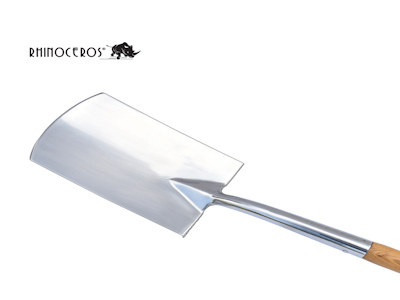
Вы когда-нибудь задумывались, почему некоторые фермеры получают рекордные урожаи, в то время как другие борются с низкой продуктивностью? Может быть, секрет кроется не только в семенах или погоде, а в том, как обрабатывается почва? В мире сельского хозяйства почвообрабатывающие инструменты играют ключевую роль, но многие ли из нас действительно понимают, какие инновации доступны сегодня? Давайте вместе разберемся в этом, задавая вопросы и ища ответы, которые помогут каждому аграрию достичь максимальных результатов.
Почвообрабатывающие инструменты – это устройства и механизмы, используемые для подготовки почвы к посеву, улучшения ее структуры и повышения плодородия. Но зачем они нужны? Ведь почва – это живой организм, и неправильная обработка может нанести ей вред. Как современные инструменты помогают избежать этого? Например, традиционные плуги могут разрушать почвенную структуру, приводя к эрозии. А что, если существуют альтернативы, которые минимизируют негативное воздействие? Инструменты like no-till оборудование или умные культиваторы designed to preserve moisture and organic matter are gaining popularity. Но действительно ли они эффективны? Исследования показывают, что правильная обработка почвы can increase yield by up to 30%, but only if tools are matched to specific soil types and crops. So, how do farmers choose the right ones? It starts with understanding soil health – its texture, pH, and nutrient levels. Questions like these highlight the importance of education and innovation in agriculture.
В последние годы появилось множество инновационных почвообрабатывающих инструментов, но какие из них truly unique? For instance, there are GPS-guided ploughs that ensure precise furrowing, reducing waste and improving efficiency. Or consider bio-tillers that use microorganisms to aerate soil naturally, without mechanical disturbance. But do these tools live up to the hype? Field tests indicate that such innovations can boost crop yields by enhancing root growth and nutrient uptake. However, are they affordable for small-scale farmers? Cost is a major barrier, with advanced tools often priced high. Yet, governments and NGOs are offering subsidies to promote adoption. What questions should farmers ask before investing? They might inquire about durability, compatibility with existing equipment, and local support services. By exploring these aspects, we can see that uniqueness isn't just about technology – it's about practicality and sustainability.
Урожайность зависит от множества факторов, но почвообрабатывающие инструменты are a critical piece of the puzzle. How exactly do they contribute? Proper tools can improve soil aeration, water retention, and nutrient distribution, leading to healthier plants. For example, deep tillage equipment can break up compacted layers, allowing roots to penetrate deeper. But is more tillage always better? Over-tillage can cause soil degradation, so balanced approaches are key. Unique tools like variable-depth tillers adjust based on soil conditions, optimizing outcomes. What evidence supports their impact? Studies from agricultural universities show that tailored tool use can increase yields by 20-50% in certain crops like wheat or corn. Yet, results vary by region – so why is that? Climate, soil type, and crop variety all play roles. This begs the question: how can farmers customize tool use for their specific needs? It requires continuous learning and adaptation.
В эпоху изменения климата экологичность сельского хозяйства становится все важнее. Как уникальные почвообрабатывающие инструменты contribute to sustainability? Many modern tools are designed to reduce fuel consumption, minimize soil disturbance, and lower carbon emissions. For instance, no-till drills plant seeds directly into untilled soil, preserving organic matter and reducing erosion. But are there trade-offs? Sometimes, reduced tillage can lead to weed issues, requiring integrated pest management. What about water usage? Tools that improve soil structure can enhance water infiltration, reducing irrigation needs. However, do these benefits outweigh the costs? Lifecycle assessments show that eco-friendly tools can have a positive net environmental impact over time. So, why aren't all farmers switching to them? Barriers include upfront costs and lack of awareness. How can we overcome these? Education programs and demonstrations can help farmers see the long-term gains.
Несмотря на прогресс, многие аспекты почвообработки все еще вызывают вопросы. Например, как новые инструменты will perform in extreme weather conditions like droughts or floods? Climate change is making such events more common, and tools must be resilient. Also, what about the social implications? Adoption of advanced tools might displacement labor in rural areas, so how can we ensure inclusive growth? Furthermore, are there cultural barriers to innovation? In some regions, traditional methods are deeply ingrained, and change is slow. What research is needed to address these gaps? Collaborative efforts between scientists, farmers, and policymakers are essential. By asking these questions, we can drive further innovation and ensure that unique tools truly benefit everyone.
В заключение, уникальные почвообрабатывающие инструменты предлагают огромный потенциал для повышения урожайности и устойчивости сельского хозяйства. Но их успех зависит от нашего willingness to ask the right questions, invest in learning, and adapt to new challenges. Whether you're a seasoned farmer or a newcomer, embracing innovation can lead to bountiful harvests and a healthier planet. So, what's your next step? Explore, experiment, and engage with the community to unlock the full potential of your soil.